Learning Without Tears Named 2024 SIIA CODiE Award Finalist Learn More
Resources


Grade
Type
Format
Subject
Info for

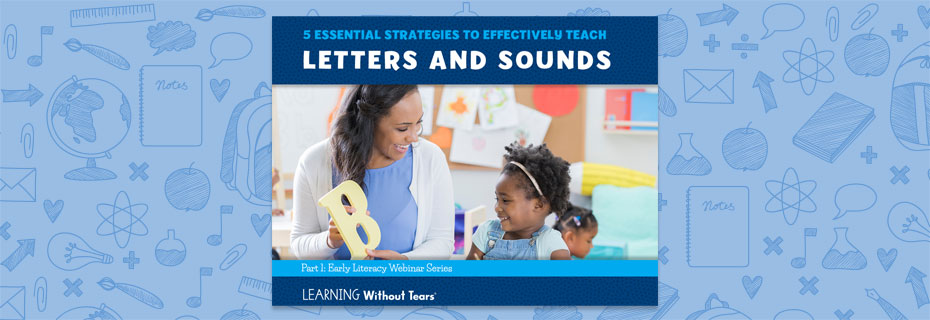
5 Essential Strategies to Effectively Teach Letters and Sounds
This webinar provides strategies to foster creative and independent young writers.
5 Rockin' Music Strategies
In this interactive webinar, we will demo hands-on activities along with music and movement to boost children’s skills for Pre-K–K success!

5 Ways to Keep Pre-K Social Today
Learn how social-emotional learning can be a focus of both teachers and families as they help children build their readiness skills, developing the confidence they need to transition into
6 Essential Steps to Fun and Effective Phonological Awareness Instruction
Phonological awareness is a critical foundational literacy skill.

6 Ways to Engage and Strengthen Young Writers
This will provide you with strategies to foster creative and independent young writers.
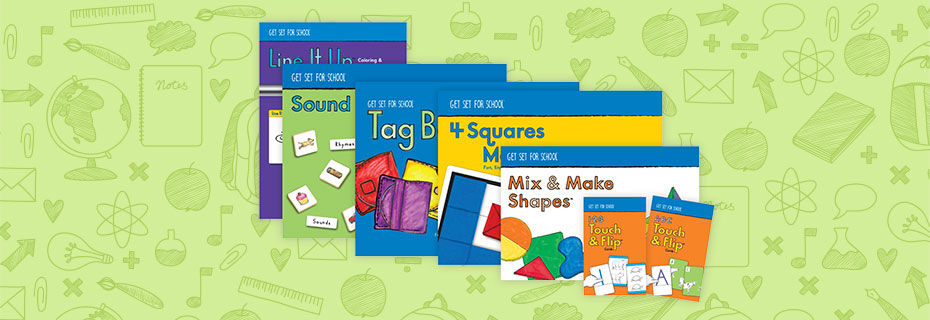
Activity Booklets - Pre-K Activity Samples
Try our most loved activities for Pre-K! Download our favorite activity booklets from our Get Set for School Pre-K Program.

Blog and E-Newsletter
The Learning Without Tears Blog and E-Newsletter offer helpful tips and strategies for teaching and implementing Pre-K, handwriting, and keyboarding instruction.

Building the Foundation for Literacy Success
See what our new 2022 editions of Handwriting Without Tears can do for you!
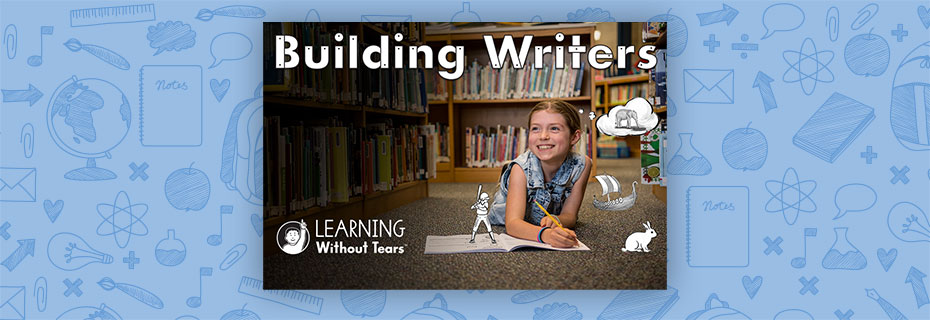
Building Writers Infographic
Building Writers supports any writing block or independent writing practice by enriching students’ writing units. Check out our latest infographic
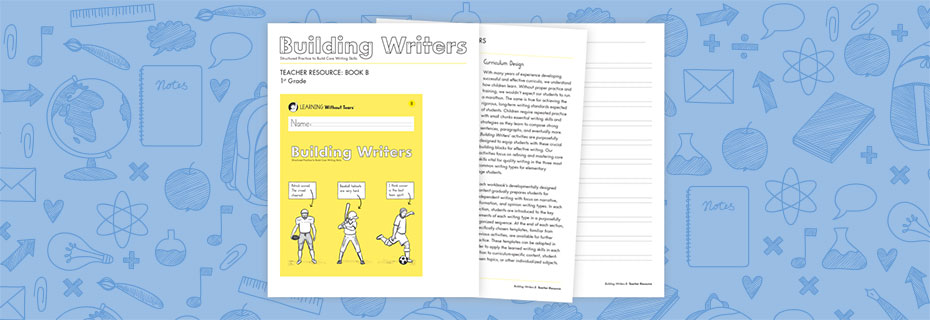
Building Writers Teacher Resources
Preview Teacher Resources from Building Writers
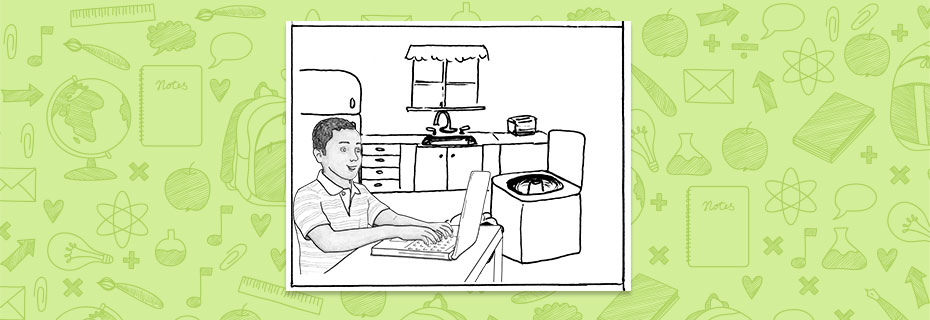
Can Use at Home Tutorial Video
Explore the latest research on technology in the classroom, discover the benefits of keyboarding instruction, and find the criteria for the best kind of instruction.

Combining Powers Webinar
How Educators and Families can combine powers and discover engaging, virtual, and hands-on strategies for preparing PreK students for kindergarten in a time of distance learning.

Double Lines Booklet
Learn how double lines can help your students.
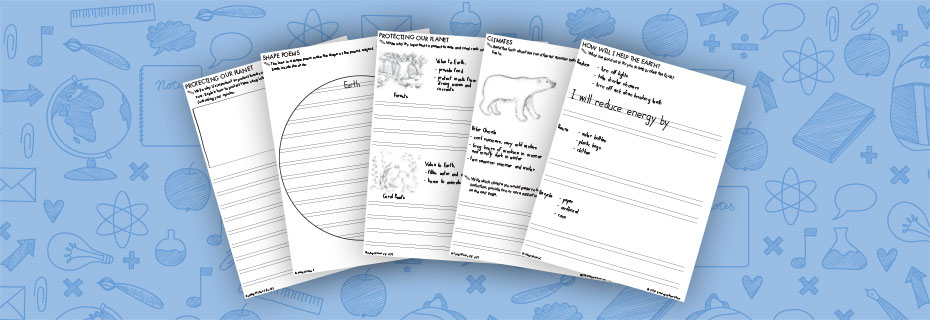
Earth Day Writing Activities
Celebrate Earth Day while enriching your child’s independent writing skills with these fun writing prompts from Building Writers.
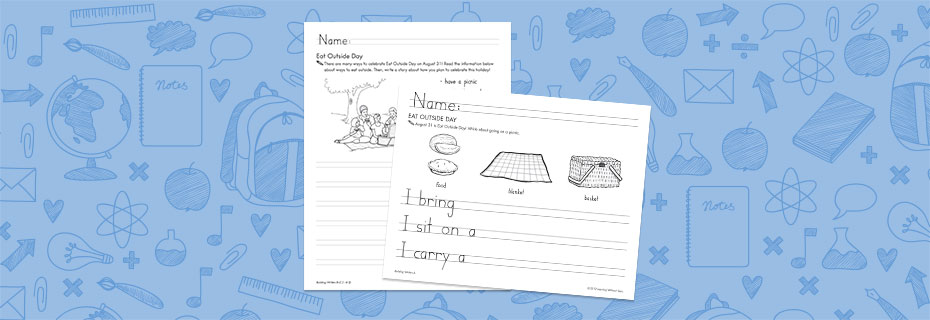
Eat Outside Day Activity Download
Check out the latest download from Building Writers to celebrate Eat Outside Day and enrich your students’ independent writing skills.

Favorite Activities and Downloads
Access the top activities and downloads from our newsletters that include free worksheets to practice handwriting in all subjects and support school-to-home connections.

Fine Motor and Letter Practice for Home
Hand skills are crucial to successful handwriting. Small movements of the hand are referred to as fine motor skills.